
Layering Textures for Autumn Evening Comfort
Why Layering Works Better Than One Heavy Blanket
There is a moment in late September when the evenings turn suddenly sharp. You notice it first at the window: the light drops earlier, the radiators have not yet come on, and the room that felt airy in July now feels a little bare. The instinct is to reach for the biggest, thickest blanket you own and call it done. In practice, a single heavy layer rarely solves the problem. It traps heat in one spot, looks lumpy draped over a sofa arm, and does nothing for the room's appearance once you have gone to bed.
Layering works on the same principle as dressing for cold weather. Several thin, complementary layers hold warmth more effectively than one dense one, and they give you the flexibility to add or remove as the evening shifts. Textiles do the same job in a living room or bedroom. Get the layers right and the room feels genuinely warmer, not just more furnished.
Start from the Floor Up: The Case for a Deep-Pile Rug
Bare floorboards and engineered wood are beautiful in summer and unforgiving in October. A deep-pile rug is the single most effective change you can make to a room's perceived warmth, because it insulates the floor and gives bare feet somewhere kind to land.
- Choose wool or a wool-rich blend for durability and natural temperature regulation. Wool feels warm in winter and does not turn sticky in a heated room.
- Size matters more than depth. A rug that sits under the front feet of your sofa and extends at least 60cm beyond it anchors the seating area. A postage stamp in the middle of the floor makes the room feel smaller.
- Add an anti-slip underlay. It prevents creeping on hard floors and adds a surprising amount of cushioning underfoot.
- Consider a sheepskin or a smaller textured rug beside the bed or under a reading chair, where you want warmth in one specific spot.
If you already have a flatweave you love, layer a deep-pile rug partly over it. The overlap is a deliberate design move, and the mix of pile heights reads as considered rather than accidental.
Wool Throws: The Workhorse of an Autumn Evening
A wool throw is the layer you actually touch, so it deserves the most thought. Look for a throw around 130cm by 180cm, which is long enough to cover an adult from shoulders to toes without dragging on the floor. Anything smaller is really a decorative scarf for the sofa.
Lambswool is soft and light; merino is finer still and lovely against the skin; a chunkier pure wool gives that satisfying weight some people prefer. A whipstitched or fringed edge adds texture without pattern. Keep one folded in a wide, flat rectangle over the back of the sofa and another over the foot of the bed — folded, not crumpled, so it looks intentional when you are not using it.
The practical trick is to have two weights available. A light throw for early October evenings when the heating is still off, and a heavier one for the depths of November. Swapping them costs nothing and keeps the room responsive to the season.
Linen Cushions for Contrast and Calm
Here is where a lot of autumn schemes go wrong. Wool on wool on wool becomes a heavy, monotone mass. Linen is the counterweight: it has a crisp, slightly slubby texture that catches light differently, and it stops the arrangement from feeling like a sleeping bag fort.
- Mix cushion sizes. A 55cm square at each end of the sofa, a 45cm in front of each, and one 30cm by 50cm lumbar cushion in the middle gives a pleasing, informal arrangement.
- Choose washed or stonewashed linen for softness and a relaxed, slightly rumpled finish that suits autumn.
- Use feather or down-filled pads where you can, as they hold their shape and can be karate-chopped into an easy dent. Fibre pads are fine for anyone avoiding feathers, but plump them regularly.
- Keep velvet or boucle to one accent cushion per seat, so it reads as a highlight rather than a theme.
A linen cushion in a warm neutral — oatmeal, stone, faded clay — next to a wool throw in a deeper tone gives you contrast in both colour and texture, which is exactly what the eye wants on a grey evening.
Mixing Tones Without Cluttering the Room
Pick a base of two or three muted tones and hold to them. Something like a charcoal or deep olive rug, throws in russet or mustard, and linen cushions in oatmeal and ivory will feel cohesive without matching precisely. Autumn palettes work best when they echo what is happening outside: damp bark, fading leaves, hearth smoke.
Keep the palette tight and you can afford more texture. Keep the palette wide and texture starts to look like clutter. If in doubt, add another shade of the same colour rather than introducing a new one.
Small Rituals That Keep the Layers Working
The final part is maintenance, and it takes minutes. Plump cushions each evening before you settle down. Fold throws rather than bundling them, and give wool an occasional airing on a dry, breezy day instead of washing it. Rotate a rug a quarter-turn every few months so the pile wears evenly, and vacuum deep-pile gently with the beater bar off.
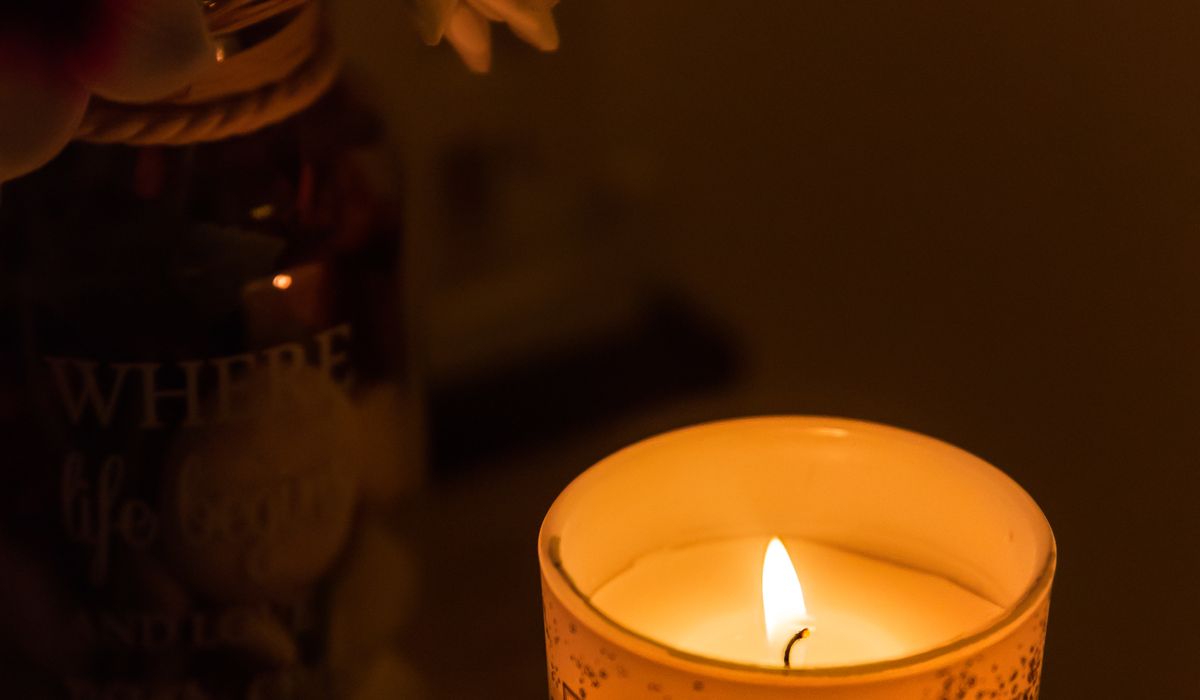
Then add the last layer, which is not a textile at all: a lamp with a warm bulb rather than an overhead light, a candle or two, and somewhere to put a mug down within reach of your seat. Do that, and the room stops being a space you occupy and becomes one you settle into — which is really the point of all this layering.

4 Comments