
Choosing Warm Bulbs for a Cosy Living Room
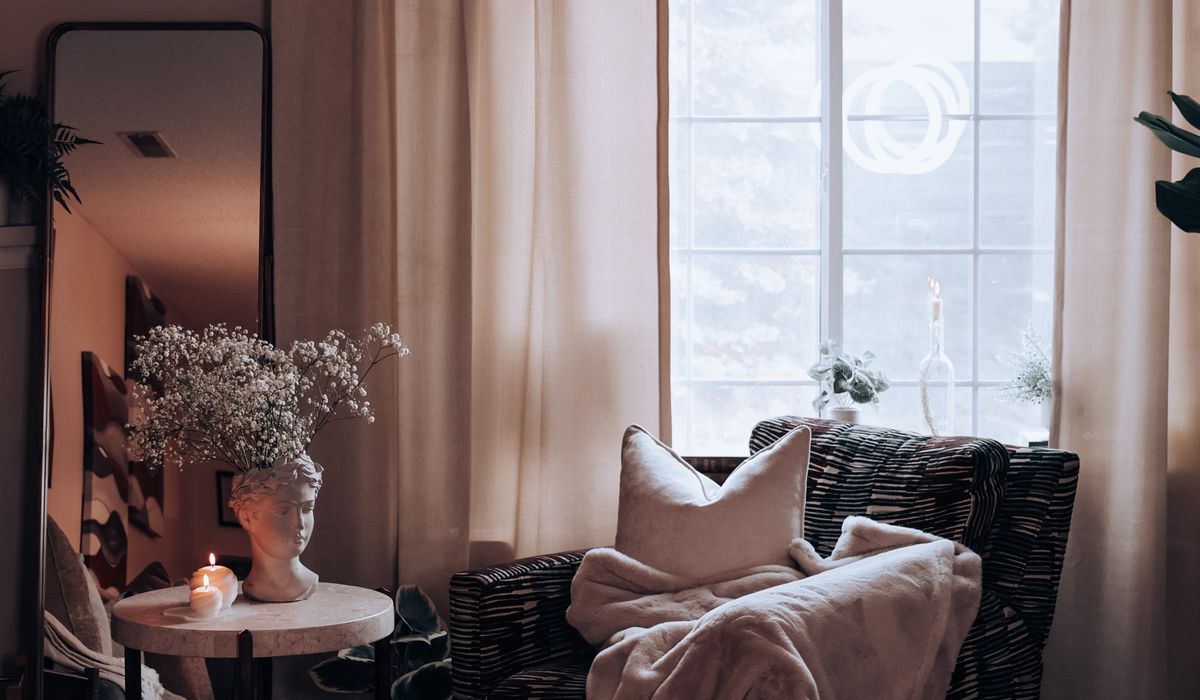
Where Warmth Actually Begins: Colour Temperature
Colour temperature is measured in kelvin (K), and in a living room it shapes the mood far more than raw brightness ever will. The lower the number, the warmer and more amber the light. A bulb rated at 2700K is the standard warm white sold in most British shops, and it makes a sensible baseline for a sitting room. Drop to 2400K or 2200K and you get something closer to candlelight or an old incandescent bulb — flattering to skin, timber and upholstery, and deeply restful once the curtains are drawn.
What you want to avoid is anything rated 4000K or above. These cool white and daylight bulbs are designed for garages, offices and utility areas. Put one in a table lamp and your sitting room instantly feels like a waiting room. If you have inherited a mixed box of bulbs, sort them by colour temperature and move the cool ones to the kitchen or shed.
Also worth checking is the colour rendering index (CRI). Look for 90 or above. A high-CRI warm bulb makes oak floors, wool throws and velvet cushions look rich; a low-CRI one drains everything to a flat grey-brown. It costs very little more, and it is one of the most noticeable improvements you can make for the money.
Dimming Without the Flicker
Almost every cosy living room scheme depends on being able to turn the light down, so dimming deserves proper attention. The old dimmer switch on your wall may well predate LED bulbs, and mismatched dimmers are the number one cause of flickering, buzzing and that annoying pop when a bulb fails early.
Two things matter here. First, the dimmer type. Trailing-edge dimmers work far better with modern LEDs than older leading-edge models, and most decent LED bulbs will specify which they need. Second, the minimum load. Many dimmers need at least 10–20 watts of load to function smoothly, so a single 4-watt LED may flicker or refuse to come on at all. Fitting a dimmer rated for low loads, or running two or three lamps on the same circuit, usually solves it.
Cheap dimmable LEDs often dim in a narrow band and start to strobe below 20 per cent. Spend a little more on reputable bulbs and you will get a smooth, deep dimming range that actually lets you take the room right down in the evening.
Dim-to-Warm: The Best of Both
If you only take one recommendation from this article, make it this one. Dim-to-warm bulbs — sometimes labelled warm dim or warm glow — start at around 2700K at full brightness and shift gradually towards 1800–2000K as you dim them. The effect mimics a filament bulb and it is remarkably good at turning a functional room into somewhere you want to sit with a book and a glass of something.
They are ideal for floor lamps and table lamps that are dimmed every evening. Some smart bulbs offer a similar feature but stop at 2200K at their lowest setting, which is noticeably cooler. Check the minimum colour temperature before you buy if the amber glow is what you are after.
Layering Pools of Light
Cosy lighting is rarely about one fixture. It is about three to five separate points of light at different heights, each doing a small job. A typical scheme might be a floor lamp beside an armchair, a table lamp on a side table, a smaller lamp on a bookshelf, and perhaps a wall light or picture light that washes a surface rather than the room.
Keep individual output modest: 200–400 lumens per accent lamp is plenty for atmosphere, with 400–600 lumens where you actually read. A 60-watt equivalent at 800 lumens in a small ceramic table lamp will feel harsh and flatten the whole arrangement. Aim for overlapping pools of light rather than even coverage, and leave the ceiling light off entirely, or on a dimmer at a very low setting, once it is dark outside.
Bulb Shapes, Shades and Small Details
- Hide the source. A visible bulb at eye level creates glare and ruins the effect. Use fabric, opal or ceramic shades that let light out at the top and bottom.
- Match the shape to the fitting. Globe or golf-ball bulbs suit small lampshades; candle bulbs suit wall lights and chandeliers; classic A-shapes work in wider shades.
- Filament LEDs look convincing in open fittings and give a pleasing sparkle, but check they are dimmable if you plan to dim them.
- Warm the walls, not the floor. Uplighters, wall washers and a lamp aimed at a pale wall bounce light back into the room without glare.
- Keep spare bulbs on hand in the same temperature so replacements never break the scheme.
Keeping It Cosy Without the Gloom
There is a difference between a dim room and a gloomy one. Gloom comes from a single weak pool of light in a large dark space, or from over-dimming until the corners of the room disappear completely. Cosiness depends on contrast and on surfaces being lit — the wall behind a lamp, the spines of books, the texture of a rug.
The fix is simple. Raise your general level slightly with one bounced or uplighting source on a dimmer, keep your accent lamps at warm colour temperatures, and make sure at least one wall is washed with soft light. Then dim everything together in stages across the evening: bright enough at six, gentle by nine, just the lamps after ten. Done that way, the room stays inviting rather than retreating into shadow.

4 Comments