
Hosting a Quiet Supper Club for Close Friends
Why Four to Six Beats Twelve
The words "supper club" tend to summon a particular image: a long table, a crowd of twenty, a menu with a theme and a name card at every place. Lovely in theory, exhausting in practice. The quieter version is a different thing entirely, and it is the one most people actually want on a Thursday in November. Four to six guests, one table, one conversation.
Six is the number worth holding to. Beyond that, the table splits into two conversations and you spend the evening moving between them like a waiter. Decide the number before you decide anything else, then send a simple message with a clear arrival time and a rough sense of when the evening will wind down. People relax when they know the shape of the night.
Set the Table Before You Think About the Menu
A quiet table is built from low, soft things. Tall flowers and high-backed chairs create a wall between people; low arrangements and a shallow bowl let everyone see each other across the table.
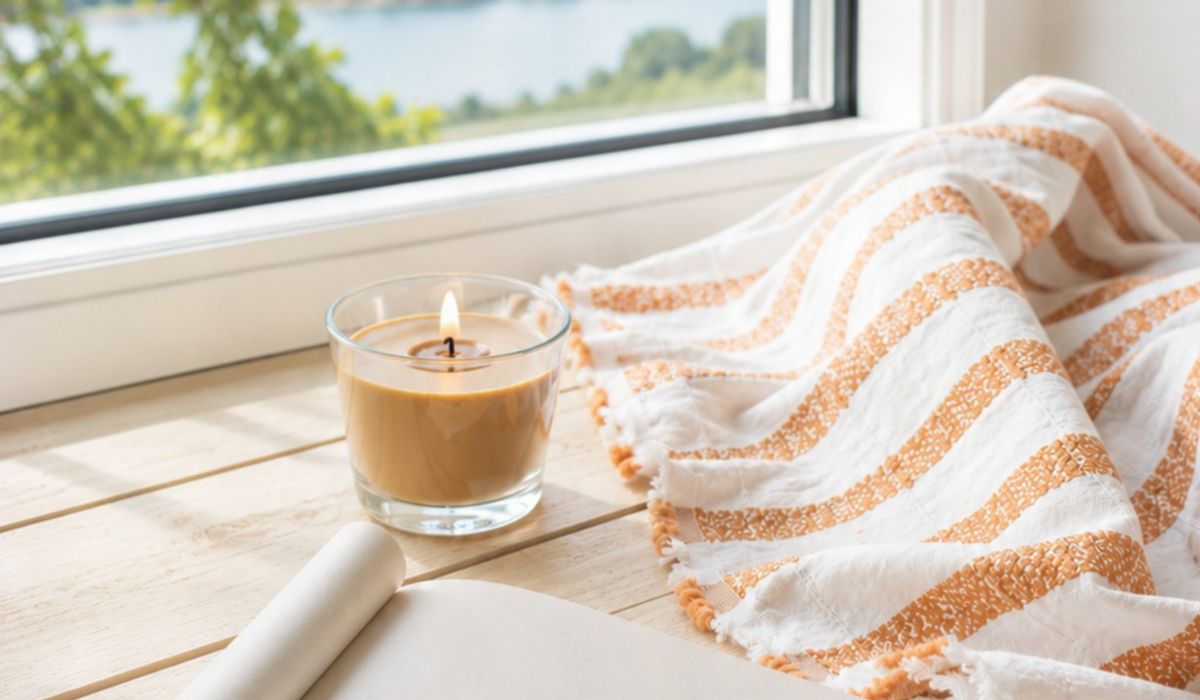
- Unscented candles only. Scented ones compete with the food and by dessert the room smells of vanilla and lamb.
- Cloth napkins, folded loosely — they signal that this is an occasion without any effort from your guests.
- A jug of water and enough glasses already on the table, so nobody has to ask.
- One small vase or three stems, no taller than your hand.
- Everything cleared from the table that is not needed for eating: post, keys, the salt cellar you never use.
Do this at four o'clock, not at seven. Setting the table early is the single most effective way to feel calm when the doorbell rings.
A Seasonal Menu That Keeps You Seated
The rule is simple: nothing that needs your attention in the last twenty minutes. Choose one dish that cooks slowly and forgives you for ignoring it, then build the rest of the meal around things you can make in advance.
An autumn or winter menu might run like this. A celeriac and apple soup, made two days ahead and reheated gently. A slow-braised shoulder of lamb, or a butter bean and squash braise for the vegetarians, both cooked that afternoon and left in a low oven. Sharp dressed leaves with a mustard vinaigrette, tossed at the last second. Three cheeses, oatcakes, a handful of grapes. Poached pears with crème fraîche, made in the morning. Bread from a bakery, warmed through.
That is a menu you can serve without leaving the table for more than a minute at a time. Cook for the weather rather than for impressiveness: in January, people want root vegetables and something braised, not a plate of cold leaves. If you are feeding more than one dietary requirement, cook one generous vegetarian main rather than three separate options, and let everyone eat it alongside the meat.
Lower the Lighting, Not Just the Volume
Ceiling downlights flatten faces and make a room feel like a canteen. Turn them off entirely. Bring in lamps, and if yours only take cool white bulbs, replace them — warm bulbs around 2700K or lower make more difference to an evening than any piece of furniture.
Put a lamp in the corner behind the table so it lights the wall rather than the room, and one low on a sideboard beside the plates. Add candles, but place them where people will not lean into them. If you have dimmers, use them as the evening goes on: start brighter while people are arriving, then drop the level after the main course. The slow dimming tells everyone, without anyone saying it, that the pace is slowing.
Music should be instrumental or quiet enough to speak over, and chosen before guests arrive. One playlist, pressed once, not touched again. Put a small bowl by the door for phones.
Keeping the Conversation Flowing
You do not need icebreakers. You need a seating plan that puts people who do not know each other side by side rather than opposite, so they have a reason to turn and talk, and you need to stay in your chair.
Serve in big dishes passed around the table rather than plated in the kitchen. Passing gives everyone something to do with their hands and something to comment on, and it means you are not up and down. Pass in the same direction each time so nobody has to think.
Have two or three questions ready that are not "what do you do". What have you been cooking lately? What have you read that you could not put down? What is the best thing you have eaten this month? Then let it go where it goes.
There will be lulls. A lull is not a failure. Refill a glass or pass the bread during it and it will resolve itself.
Small Comforts That Make People Linger
By half past nine the plates are cleared. Leave a jug of water and a small bowl of something salty in the middle of the table, put the tea things out where people can help themselves, and keep a throw over the back of the sofa. Do not start stacking plates loudly; a neat pile on the side is enough.
Let the evening end on its own. Keep a light on in the hallway for whoever leaves first. Send a message the next morning — a short one, saying you enjoyed it. That small act is what turns one supper into a club.

4 Comments