
Building a Bedtime Tea Ritual with Herbal Blends
Why a Warm Mug Signals the End of the Day
Sleep is not a switch you flip; it is a slope you walk down. The trouble for most of us is that we spend the last hour of the evening on a cliff edge — scrolling, replying, half-watching something — and then wonder why we lie awake wired. A bedtime tea ritual gives that hour a shape. It is less about the herbs themselves, though they help, and more about the repetition: the same kettle, the same mug, the same chair, at broadly the same time each night.
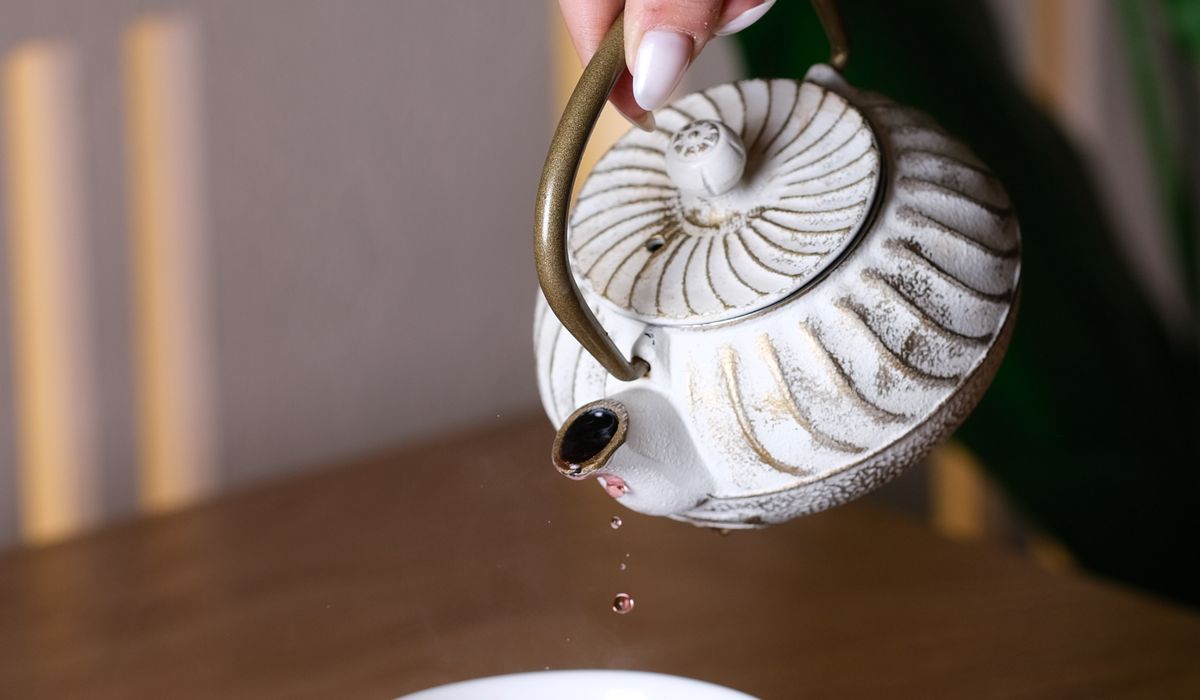
The kettle is an unusually good anchor because it engages nearly every sense. You hear it come to the boil, feel the weight of a full mug in your hands, smell the steam, taste something warm and gentle. After a fortnight of doing this consistently, your brain starts to read those cues as the beginning of the descent. Aim to start the ritual between thirty and sixty minutes before you want to be asleep, and treat it as an appointment rather than something you squeeze in at the last minute.
Three Caffeine-Free Blends Worth Knowing
You do not need an elaborate apothecary cupboard. Three reliable blends will carry you through most evenings, and each suits a slightly different mood.
- Chamomile. The classic, and deservedly so. Soft, apple-scented and mildly sedative, it is the gentlest option if you are new to herbal teas. It suits an early wind-down, when you are still half-thinking about the day.
- Lemon balm. Brighter and more citrusy than chamomile, with a lemony lift that makes it feel less like medicine. It is a good choice if your mind is racing rather than your body being tired — the sort of evening where you are exhausted but mentally still at your desk.
- Rooibos. Naturally sweet, caffeine-free and rich in minerals, this South African red bush is the one for anyone who misses a proper builder's tea. It takes boiling water happily, stands up to a splash of milk, and tastes comforting in a way that most herbal infusions simply do not.
A word of caution about blends labelled "sleep" or "night time": many contain valerian, which can be surprisingly potent and leave some people groggy the next morning. If you are pregnant, breastfeeding, or taking regular medication, check with a pharmacist before making herbal teas a nightly habit.
Get the Brewing Right
Poorly made herbal tea tastes like hot water with a faint memory of a plant, and nobody keeps up a ritual that is not enjoyable. A few small adjustments make a real difference.
- Use enough leaf. A generous teaspoon per mug, or a heaped tablespoon of fresh chamomile flowers, rather than the timid pinch most of us default to.
- Cover the mug while it steeps. A saucer on top traps the volatile oils that carry both scent and flavour. Five to seven minutes is usually right for chamomile and lemon balm; rooibos benefits from a full eight.
- Mind the water. Rooibos wants freshly boiled water. Chamomile and lemon balm are happier with water just off the boil — leave the kettle for a minute or two after it clicks off, so you do not scorch the flowers into bitterness.
- Skip the sugar. If you want sweetness, a small spoon of honey stirred in while the tea is still hot is kinder on the palate and feels more in keeping with the mood.
Step Away from the Screens
A ritual built around a screen is not really a ritual. The point of the mug is that it occupies your hands and your attention, which makes it far easier to put the phone down. Practical steps work better than willpower here.
- Charge your phone in another room, or at least across the room and face down. If you use it as an alarm, buy a cheap clock instead.
- Set a recurring alarm labelled something blunt like "kettle" for the time you intend to stop. Treat it as you would any other appointment.
- Swap the big overhead light for a lamp or two. Warm bulbs, around 2700K, are noticeably kinder at this hour than the cold white light most ceilings give out.
- Keep something low-stakes to hand: a novel, a magazine, a notebook. Ten minutes of reading next to a lamp is a far softer landing than ten more minutes of headlines.
Create a Corner for It
Give the ritual a place and it becomes much harder to abandon. It does not need to be a whole room — a single armchair beside a side table is plenty. A small tray keeps the mug, the tin of loose leaf and a teaspoon together, so nothing has to be hunted for at ten o'clock at night. Choose a mug with a bit of weight to it; stoneware holds heat well and feels satisfying in cold hands.
Layer in texture rather than clutter: a wool throw over the back of the chair, a cushion, maybe a candle you actually light. A plant nearby softens the corner without demanding anything. The goal is a space that looks, at a glance, like somewhere you would like to sit for twenty minutes — because you will only use it if it invites you in.
Keeping It Going Through the Year
Rituals survive on small variations. In winter, add a cinnamon stick or a couple of cloves to a pot of rooibos and let it steep a little longer. In autumn, a few slices of fresh ginger with lemon balm takes the chill off a damp evening. In spring and summer, chamomile served a little cooler, but still warm enough to hold, keeps the habit intact when the evenings are light and late.
Be realistic about quantities, too. Around 200ml is enough to feel like a proper drink without sending you to the bathroom at two in the morning. And if you miss a night, do not treat it as a broken streak — simply put the kettle on again tomorrow. The whole point of a ritual is that it is always there to be returned to, one quiet mug at a time.

4 Comments